Understanding Tokenomics: The E
2025-06-14
Tokenomics is a portmanteau of "token" and "economics," serving as a crucial framework within the burgeoning world of cryptocurrencies and blockchain technology. Simply put, it refers to the study of the economics of tokens, which can provide insights not only into how these digital assets operate but also how they can be structured to create value for users and investors alike. As the cryptocurrency market matures, understanding tokenomics becomes essential for developers, investors, regulators, and anyone interested in the future of digital assets.
At its core, the study of tokenomics encompasses various aspects, including the design of token supply, distribution models, monetary policy, incentives embedded within the system, and the overall utility of the token within a particular ecosystem. Tokenomics helps users and investors gauge not just the economic value of a token but also its potential to grow, how it can be integrated into applications, and how it interacts with broader market dynamics.
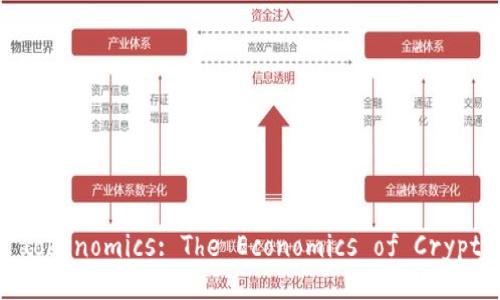
When analyzing a cryptocurrency project, several crucial components of tokenomics come into play:
Utility tokens serve a specific purpose within their ecosystem, granting users access to a service or product. For instance, ETH is used to pay for transactions and computational services on the Ethereum network. Understanding a token’s utility is vital for evaluating its long-term viability.
The supply of a cryptocurrency token—how many tokens exist and how they are distributed—can directly impact its price. A limited supply creates scarcity, whereas an abundant supply can lead to inflation. Projects often outline their distribution plans in whitepapers, explaining how tokens will be allocated to founders, investors, community members, and for future development.
Tokens often incorporate incentives to encourage network participation. For example, staking mechanisms reward users for locking up their tokens, while governance tokens allow holders to have a say in project decisions. Understanding these mechanisms is crucial for assessing the health and longevity of the network.
Each token has an underlying economic model that dictates how it behaves within the market. Models may range from inflationary designs, where new tokens are continuously created, to deflationary models that reduce supply over time through mechanisms like token burns. Evaluating these models helps investors predict price movements based on economic principles.
The impact of external market factors—such as regulatory news, technological advancements, and market sentiment—must also be considered in tokenomics. These factors can influence trading volumes, token prices, and overall market interest.
Cryptocurrency tokens can generally be classified into several categories, each serving different functions within their ecosystems. The primary types include:
1. Utility Tokens: Utility tokens provide users with access to a product or service within a blockchain ecosystem. For example, tokens such as Binance Coin (BNB) allow holders to pay trading fees on the Binance exchange at a discount.
2. Security Tokens: Security tokens represent ownership in a real-world asset, such as real estate or stocks. These tokens are typically subject to regulatory scrutiny and are akin to traditional securities.
3. Stablecoins: Stablecoins are pegged to stable assets like fiat currencies or commodities. They aim to maintain a stable value, making them suitable for transactions and as a store of value. Examples include Tether (USDT) and USD Coin (USDC).
4. Governance Tokens: Governance tokens allow holders to participate in the decision-making processes of a blockchain project. The more tokens a user holds, the greater their voting power, enabling them to influence project development and management.
5. Non-Fungible Tokens (NFTs): Although not traditional tokens, NFTs represent ownership or proof of authenticity of unique digital or physical items, leveraging blockchain technology for verification.
Recognizing these distinctions is vital for anyone looking to understand how various tokens function within their respective networks.
Investors closely monitor tokenomics to make informed decisions when investing in cryptocurrencies. Key aspects influencing these decisions include:
1. Understanding Utility: Investors assess whether a token has real-world applications and practical use cases. A token with defined utility is usually viewed favorably as it implies a higher likelihood of sustained demand.
2. Assessing Supply Dynamics: The token's supply schedule plays a significant role in investment viability. Limited supply can lead to increased value, while an abundant supply may signal inflation risks that deter investment.
3. Evaluating Incentives: If a token incentivizes user participation through staking or rewards, it enhances the token's attractiveness. Investors are more likely to place their funds in projects that encourage long-term holding and engagement.
4. Analyzing Governance Structure: Investments in tokens that feature robust governance processes are often perceived as safer because they allow community input, which can lead to more adaptive project development in response to market conditions.
5. Market Sentiments and Trends: Investors keep an eye on news and trends that could impact token values. Positive market sentiment, regulatory approval, or technological advancements can lead to increased investments in a particular token.
In summary, tokenomics significantly influence the decision-making process for investors, providing critical insights into the long-term viability of a cryptocurrency project.
The economic model of a cryptocurrency is foundational to its valuation, as it outlines how the token's supply and demand are structured. Understanding these economic principles is crucial for assessing a token’s price behavior.
1. Inflationary vs. Deflationary Models: Tokens that are inflationary, meaning they increase supply over time, can experience gradual decreases in value if demand doesn’t keep pace. Conversely, deflationary tokens that reduce supply (through burns or buybacks) can create price appreciation due to increased scarcity.
2. Long-Term Incentives: Economic models can embed incentives for staking or holding tokens over the long term. If users are rewarded for holding tokens (for example, gaining additional tokens through staking), this can lead to a stronger price foundation as more tokens are taken out of circulation.
3. Network Effects: A strong economic model can enhance network effects, where the value of the token increases as more users engage with the platform. For instance, a robust token economy can lead to greater adoption, thus generating increased demand and driving the token price higher.
4. Relationship with Market Cycles: Understanding economic models helps investors navigate market cycles. For example, tokens with decentralized finance (DeFi) mechanisms can act differently in bull versus bear markets, according to their underlying economic design.
Ultimately, a blockchain project’s economic model can dictate its overall valuation and is a critical factor in investment analysis.
The regulatory environment plays a significant role in shaping the tokenomics of cryptocurrencies, influencing factors such as investor confidence, market access, and trading volumes.
1. Compliance Requirements: Tokens that classify as securities may face stringent regulations, impacting their distribution and trading. Projects must navigate these complexities when developing their tokenomics to remain compliant while still attracting users and investors.
2. Global Variation: Different countries have varying regulations concerning cryptocurrencies. Some jurisdictions may embrace and promote crypto innovation, while others may impose heavy restrictions, impacting the project’s tokenomics based on where it can operate.
3. Impact on Investor Confidence: Regulatory clarity can instill confidence in investors, leading to increased market participation. Conversely, uncertainty can deter participation and lead to volatility in token markets, affecting prices negatively.
4. Evolving Regulations: As the cryptocurrency landscape evolves, regulatory frameworks are also continuously changing. Projects must be agile in adapting their tokenomics to align with new regulations to maintain compliance and relevance in the market.
Understanding the regulatory landscape is therefore crucial for cryptocurrency projects as it can have a profound impact on the tokenomics — and ultimately, on the project’s success.
Designing effective tokenomics poses numerous challenges that developers and project teams must consider:
1. Balancing Supply and Demand: Achieving an equilibrium between token supply and demand is one of the most complex aspects of tokenomics. If supply outpaces demand, it can lead to price drops, while insufficient supply can stifle growth and usability.
2. Incentive Misalignment: If the incentives built into a tokenomics model do not align with user behavior, it can lead to poor engagement and usage. Developers must carefully design incentives that encourage participation while preventing malicious behaviors, such as market manipulation.
3. Market Volatility: The cryptocurrency market is inherently volatile, making it difficult to predict token values and user engagement over time. Projects must anticipate how external factors (like market sentiment and regulatory developments) may impact their tokenomics.
4. User Understanding: Effective tokenomics requires clear communication with users. If potential users do not understand the utility, benefits, and mechanics of the token, they may be less inclined to engage with the platform.
5. Long-Term Sustainability: Designing tokenomics with longevity in mind is a challenge. Developers must think about the long-term vision of the project and how the tokenomics can adapt to future market and technological changes without losing its core value proposition.
In conclusion, the intricacies of designing effective tokenomics present numerous challenges that require comprehensive planning, continuous adaptation, and clear communication to succeed in the fast-paced world of cryptocurrencies.

Tokenomics serves as a vital framework for understanding the functioning of cryptocurrencies and their ecosystems. By considering various components such as token utility, supply dynamics, and incentives, individuals and investors can make well-informed decisions. Additionally, recognizing the role of economic models and the regulatory landscape plays an integral part in navigating this complex market.
As the cryptocurrency landscape continues to evolve, staying abreast of developments in tokenomics will be imperative for anyone wishing to engage with or invest in this dynamic and rapidly changing sector. By understanding the nuances of tokenomics, stakeholders can better assess the viability and potential of cryptocurrency projects, ultimately contributing to the broader acceptance and growth of digital assets worldwide.
2025-06-14

2025-06-14

2025-06-14
2025-06-14

2025-06-14

2025-06-14
2025-06-14

2025-06-14

2025-06-14

2025-06-14